
Topic Evidence Report
A focused written report on one ingredient, one food, one combination, or one biomolecular question.
Powered by AIXC Bio
Nutrition Research Lab by AIXC Bio helps labs, food producers, supplement R&D teams, ingredient companies, and scientific educators evaluate bioactives, formulations, food matrices, and evidence quality through literature synthesis, molecular analysis, computational screening, and conservative evidence maps.
Many evidence-led nutrition businesses explain ideas well, but do not have a computational biology engine behind their product, R&D, or editorial process. Nutrition Research Lab exists to provide rigorous written analysis before a topic becomes a report, formulation discussion, product document, article, course module, guide, or premium product.
Our work is report-first. We do not provide medical advice or generic nutrition coaching. We produce scientific reports and dossiers that help clients make better research, product, education, and communication decisions.
A focused written report on one ingredient, one food, one combination, or one biomolecular question.
A larger structured report for product research, ingredient analysis, internal R&D, premium education, or recurring scientific topics.
Background scientific support for educators, expert media teams, and companies producing multiple assets around the same subject area.
Ongoing research support for repeat clients who need a steady stream of rigorous topic analysis.
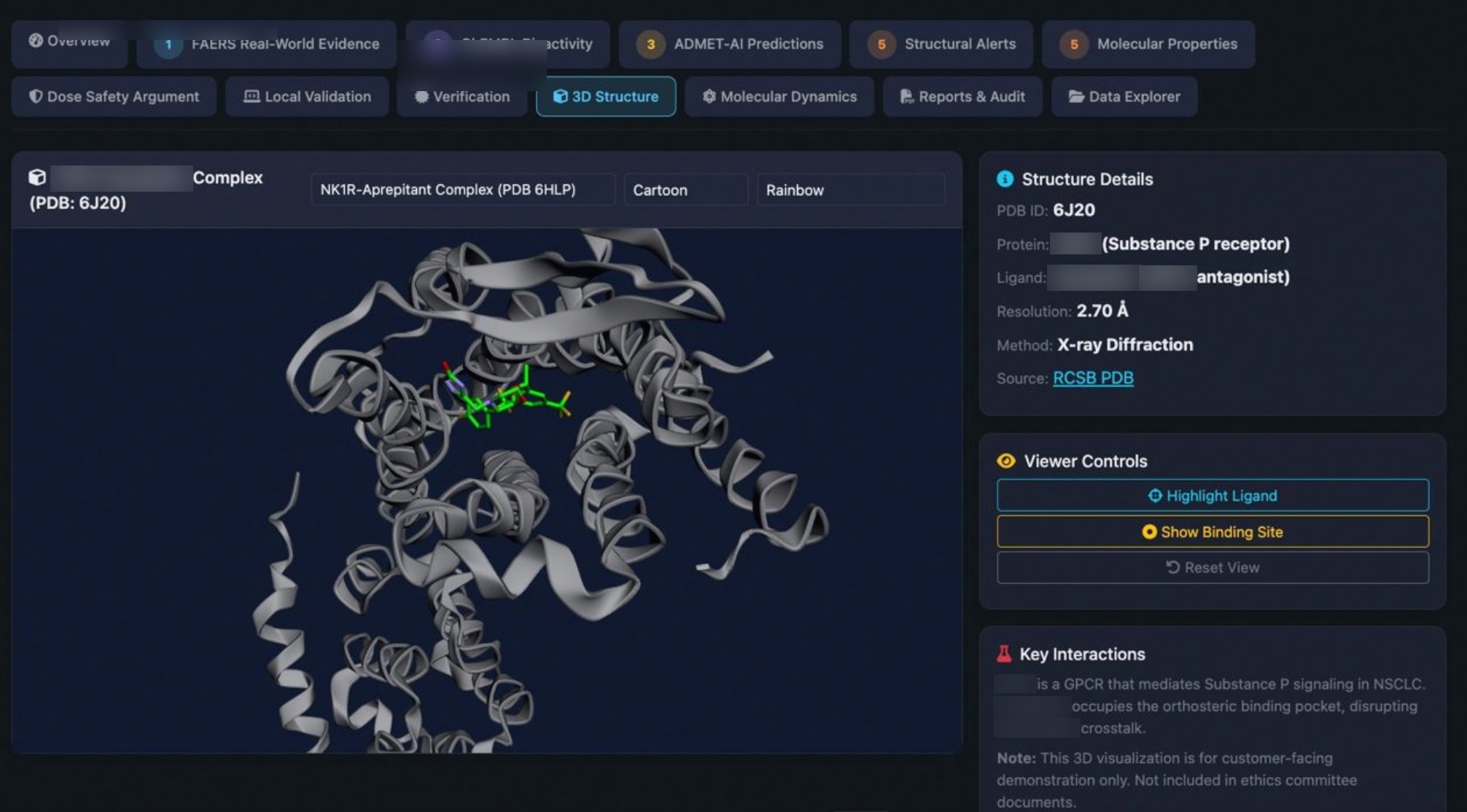
Depending on the question, our workflow may combine structured literature synthesis with methods from AIXC Bio's broader computational platform, including molecular interaction analysis, network analysis, ADMET-style screening, and report generation workflows.
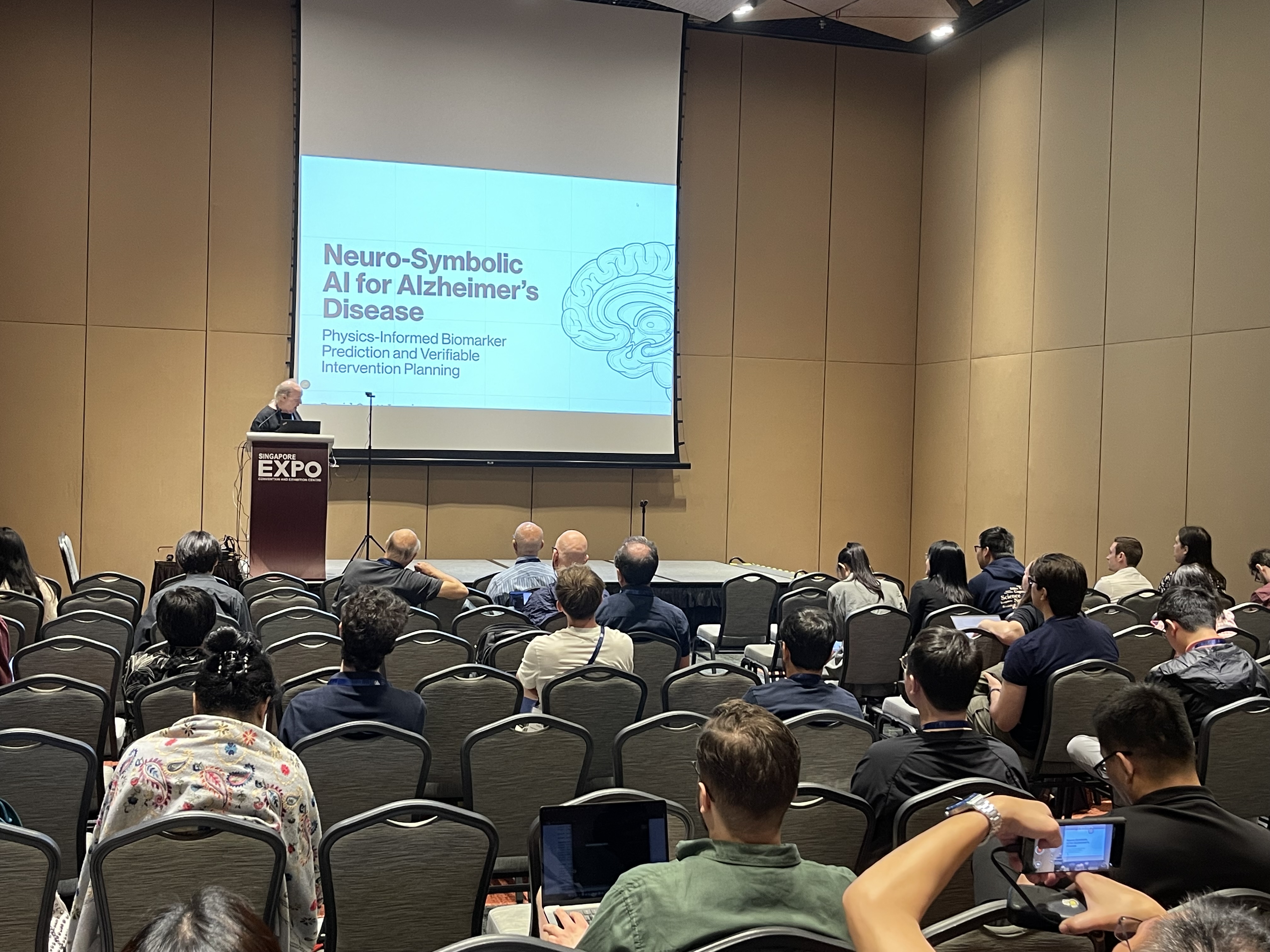
Nutrition Research Lab is built on the same computational biology engine that powers AIXC Bio, an AI-powered drug discovery platform whose work has been presented alongside Google DeepMind, Harvard Medical School, and Stanford.
AIXC Bio's computational infrastructure uses cross-validated molecular docking, toxicology, and genomics analysis. Nutrition Research Lab adapts these same methods for structured nutrition evidence work. Learn more about AIXC Bio →
The computational methods powering Nutrition Research Lab originate from peer-reviewed work presented at AAAI, ICLR, NeurIPS, and other top venues.
Causal graph methods for mapping pathway relationships — applied to nutrition pathway analysis.
NAD+ is a bioactive compound with direct relevance to nutrition, longevity, and cognitive health.
ADMET screening methods adapted for ingredient safety and bioavailability assessment.
Brain health modeling relevant to cognitive nutrition and neuroprotective food compound analysis.
Validated causal hypothesis testing methods applied to bioactive compound analysis.
Biomarker pipeline methods relevant to nutrition evidence and food-based biomarker analysis.
Our customers include research labs like


+ research accepted at the world's top AI-for-Bio workshops, alongside R&D teams from Google DeepMind · Harvard Medical School · Stanford
For organizations that need rigorous nutrition, food, and bioactive analysis before decisions go public
Nutrition Research Lab does not provide diagnosis, treatment, personalized nutrition plans, health-claim approval, or regulatory approval. Our work is scientific analysis for internal R&D, education, product research, and evidence review.